
Nature: our best ally for good health?
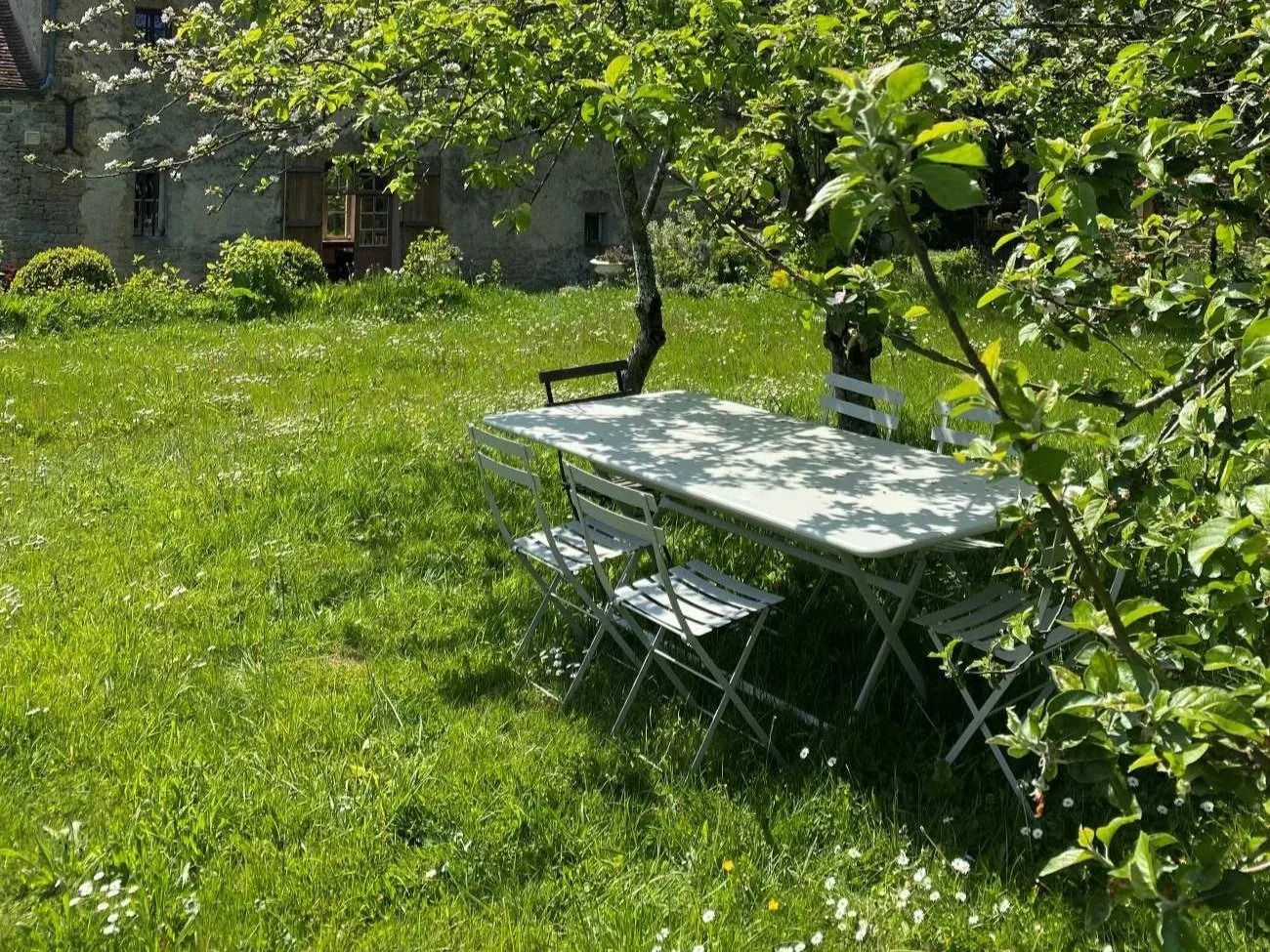
When it comes to doing something good for ourselves, don't we say "get some fresh air," "get out into nature," or "clear your head or mind"? We still talk about "secret gardens" and aspire to "recharge our batteries" or even "rediscover our roots." Our everyday language reflects our need for nature. Above all, it expresses the intimate connection between our physical and mental health and the environment.
Benefits known since time immemorial
Science did not wait until the present day to highlight the link between our well-being and regular visits to natural spaces. As early as the late 19th century, doctors would prescribe seaside holidays for patients suffering from neurasthenia, asthma, or tuberculosis; At the time, sea air was believed to have numerous therapeutic properties. The benefits of forests on the body are also well known, particularly to the Japanese, who began studying them in the 1980s and recommend "shinrin-yoku" (forest bathing) as a response to the violence of the world (particularly at work).
Combat stress
It is now widely accepted that living in a city increases the risk of developing psychiatric disorders, mood disorders, and anxiety. Stress is the main culprit, raising our blood pressure, accelerating our heart rate, and disproportionately affecting inflammation. Over time, it disrupts the secretion of cortisol, a hormone that balances our immune defenses, leading to a whole series of disturbances.
A multisensory experience
Nature helps us regain balance, and this can be explained scientifically through the (chemical) effects it has on our senses:
First, the view: poets were right to highlight the importance of contemplation; marveling at a landscape, a flower, or simply being able to gaze beyond the sidewalk opposite, all these actions have beneficial effects on our brains, not to mention colors, particularly blue, which may explain, at least in part, why people who live by the sea enjoy better mental health (this is the "blue health" phenomenon that has been studied on several continents).
On hearing: the devastating effects of noise are now well known, to the point that it is referred to as pollution, with its impact on the most exposed populations being assessed (and quantified in terms of years of life lost); silence, on the other hand, or the soothing rhythm of the waves, are conducive to relaxation.
On smell: certain molecules (called "phytoncides") emitted by trees develop pleasant odors that have lasting effects on the immune system (they are also used by plants to protect themselves from bacteria and fungi).
On taste and touch: who would turn down the pleasure of lying down in the grass or biting into a fruit freshly picked from the tree?
The multisensory experience that nature provides is therefore not only enjoyable: it can also be very beneficial, because it helps activate our parasympathetic nervous system, whose calming effect on our body combats stress. Some researchers even refer to "vitamin G" for "green," and it is not uncommon to present nature and its products as "remedies" for our ailments.
Taking care of our bodies and minds
Nature can help us get through a depressive episode, stop ruminating, and even find inspiration and solutions to our problems, especially when combined with action and movement. Walking is particularly beneficial in this regard, especially when done alone and in silence ("mindfully," as in meditation centers).
This is hardly surprising, because nature is actually within us, in the complex microbiota that inhabit our bodies. To be cut off from them is to be cut off from a part of ourselves.
That is why it seems essential to change our relationship with nature, to no longer see it solely as a source of food or a place for leisure, but as an extension of ourselves, which deserves to be protected and to which we should connect regularly in order to stay healthy.